

Introduction: Africa’s Most Accessible Safari Experience
Planning a Nairobi National Park safari is one of the best decisions you can make when visiting Kenya. This comprehensive safari guide will show you everything you need to know to make the most of your visit to Africa’s first national park and the world’s only wildlife reserve within a capital city’s borders.
Imagine this: You’re sipping your morning coffee just 7 kilometers from Nairobi’s bustling Central Business District, watching a pride of lions lounge in the morning sun while zebras graze peacefully nearby. This isn’t a fantasy—it’s a typical morning at Nairobi National Park, and it’s exactly why over 100,000 visitors flock here each year.
Whether you’re a first-time safari-goer or a seasoned wildlife enthusiast, this ultimate guide covers everything from the best times to visit and wildlife you’ll encounter to practical tips that only locals know. By the end, you’ll be ready to book your unforgettable safari experience.
Why Nairobi National Park is Unlike Any Other Safari Destination
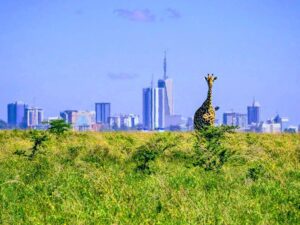
A Safari Wonderland Against a City Skyline
Nairobi National Park holds a unique distinction that sets it apart from every other wildlife reserve on Earth. Established in 1946 as Africa’s first national park, it offers an extraordinary juxtaposition: watch elephants and rhinos roam freely against the backdrop of modern skyscrapers and urban development. This 117-square-kilometer sanctuary proves that wildlife conservation and urban growth can coexist.
The park’s southern boundary connects to the vast Athi-Kapiti ecosystem through wildlife corridors, allowing animals to migrate naturally during different seasons. This means you’re not viewing animals in an enclosed zoo—you’re experiencing genuine wild behavior in their natural habitat, just minutes from your hotel.
Perfect for Every Type of Traveler
Time-Pressed Business Travelers: With half-day safari options starting as early as 6:00 AM, you can experience an authentic African safari and still make your 2:00 PM meeting in the CBD.
Families with Young Children: Unlike remote safari destinations that require long, exhausting drives, Nairobi National Park is malaria-free and offers short game drives perfect for children’s attention spans. Plus, medical facilities are just 20 minutes away, giving parents peace of mind.
Budget-Conscious Adventurers: No need for expensive multi-day safari packages. A single day at Nairobi National Park delivers incredible wildlife encounters at a fraction of the cost of Maasai Mara or Serengeti trips.
Photography Enthusiasts: The dramatic contrast of wildlife against Nairobi’s skyline creates photography opportunities you literally cannot find anywhere else on the planet.
Best Time to Visit Nairobi National Park
Understanding the Seasons
Nairobi enjoys a temperate climate year-round, with temperatures ranging from 15°C to 26°C (59°F to 79°F). However, wildlife viewing quality varies significantly throughout the year. Here’s your month-by-month breakdown:
January to March: Peak Dry Season (BEST)
- Wildlife Viewing: Excellent ★★★★★
- Weather: Warm and dry, clear skies
- Advantages: Animals congregate around water sources, making them easier to spot. Vegetation is sparse, improving visibility. Baby animals from the short rains are visible.
- Crowds: Moderate to high (popular with international tourists)
- Our Verdict: Absolutely prime time for safari enthusiasts and photographers
April to June: Long Rains Season
- Wildlife Viewing: Good ★★★☆☆
- Weather: Wet, occasional heavy downpours (usually afternoon)
- Advantages: Lush green landscapes, fewer tourists, lower accommodation rates, excellent bird watching (migratory species arrive)
- Challenges: Some dirt roads can be muddy; animals disperse as water is plentiful
- Our Verdict: Great for budget travelers and those who don’t mind rain. The park is stunningly beautiful.
July to October: Peak Dry Season (BEST)
- Wildlife Viewing: Exceptional ★★★★★
- Weather: Cool, dry, and sunny—perfect safari weather
- Advantages: Prime wildlife viewing as animals gather at remaining water points. Clear visibility. Comfortable temperatures for extended game drives.
- Crowds: Highest (peak tourist season worldwide)
- Our Verdict: Book well in advance! This is when East Africa shines brightest.
November to December: Short Rains
- Wildlife Viewing: Very Good ★★★★☆
- Weather: Brief afternoon showers, mostly sunny mornings
- Advantages: The landscape transforms to vibrant green. Newborn animals appear. Holiday season festive atmosphere in Nairobi.
- Crowds: Moderate
- Our Verdict: Excellent compromise between good viewing and pleasant weather
Best Time of Day for Game Drives
Early Morning (6:00 AM – 9:00 AM): HIGHLY RECOMMENDED
The absolute best time for wildlife viewing. Animals are most active after the cool night, predators are hunting, and the soft golden light is perfect for photography. Many animals rest during the heat of the day, so early starts dramatically increase your sighting success.
Pro tip: Stay at Mbugani View Suites, just 5 minutes from the park gate, and you can be among the first vehicles entering at dawn without a painful 4:00 AM wake-up call from a city hotel.
Late Afternoon (4:00 PM – 6:30 PM): ALSO EXCELLENT
As temperatures cool, animals emerge from shade to feed and drink. The descending sun creates that magical African golden hour, bathing the savannah in warm amber light that photographers dream about.
Midday (10:00 AM – 3:00 PM): Less Optimal
Animals typically rest in shade during peak heat. However, you can still spot wildlife near water sources, and you’ll have the park mostly to yourself. Consider combining this with a picnic at one of the designated sites.
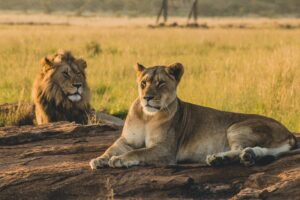
Wildlife You’ll See: Your Safari Checklist
Nairobi National Park may be compact compared to the Serengeti, but it punches far above its weight in biodiversity. Here’s what awaits you:
The Big Cats
Lions (High Probability ★★★★☆)
Nairobi National Park is home to approximately 35-40 lions organized in several prides. Your chances of spotting them are very good, especially early morning or late afternoon when they’re active. Look for them near the permanent water sources or lounging under acacia trees.
Behavior to Watch: If you’re incredibly lucky, you might witness a hunt. More commonly, you’ll see prides resting together, cubs playing, or males patrolling their territory with that characteristic regal stride.
Best Spotting Locations: Athi Basin, Mokoyiet, and around the dams
Leopards (Moderate Probability ★★★☆☆)
The park’s most elusive residents, leopards are solitary and nocturnal, making sightings rare but thrilling. An estimated 15-20 leopards inhabit the park.
Pro Tip: Look up! Leopards often rest on tree branches during the day. Scan acacia and fever trees carefully, especially near rocky outcrops.
Cheetahs (Moderate Probability ★★★☆☆)
Nairobi National Park’s open grasslands provide perfect cheetah habitat. While less common than lions, sightings do occur, particularly in the central plains where they hunt gazelles.
What Makes Them Special: The world’s fastest land animal can reach 70 mph (112 km/h) in short bursts. If you witness a chase, you’ll never forget it.
The Rhino Sanctuary Success Story
Black Rhinoceros (Very High Probability ★★★★★)
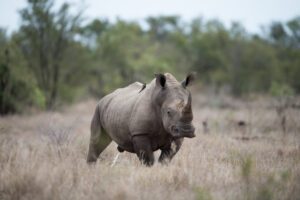
This is where Nairobi National Park truly shines. The park serves as one of Kenya’s most successful black rhino sanctuaries, with a population of over 50 individuals—one of the highest concentrations in East Africa.
Thanks to intensive conservation efforts, including translocation programs and 24/7 anti-poaching patrols, seeing rhinos here is almost guaranteed. These magnificent, critically endangered creatures represent one of conservation’s greatest success stories.
Where to Spot Them: Rhinos are often seen in the central area of the park, particularly around Athi Basin and near the forest areas.
Conservation Context: In the 1960s, Kenya had over 20,000 black rhinos. By 1989, poaching had decimated the population to just 300-400. Today, thanks to sanctuaries like Nairobi National Park, numbers are slowly recovering. Every rhino sighting you experience represents hope for this species’ survival.
The Gentle Giants
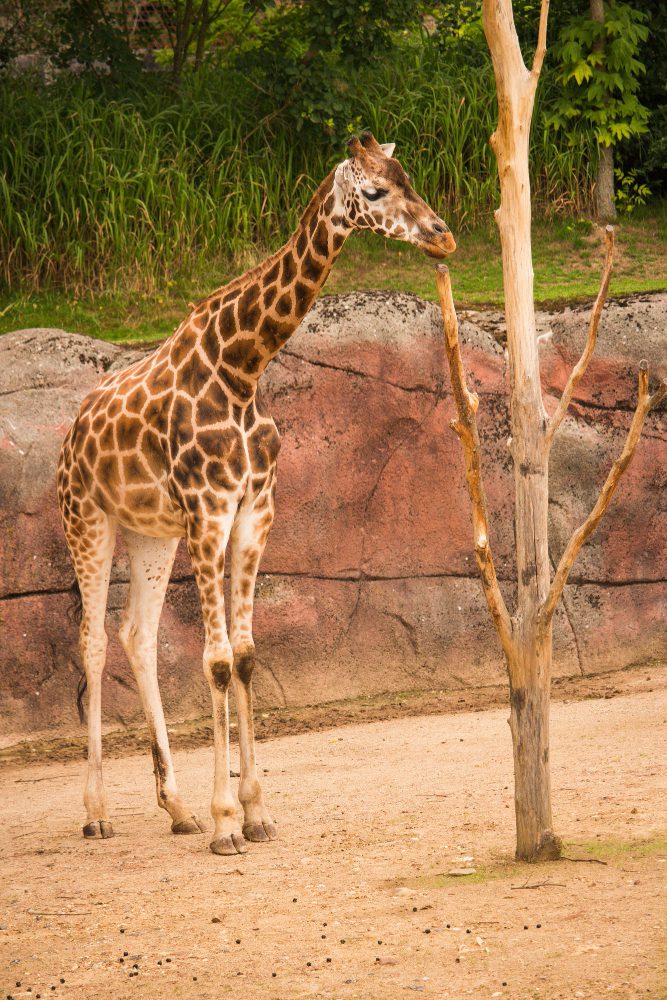
Giraffes (Very High Probability ★★★★★)
You’ll almost certainly see these elegant creatures gracefully browsing on acacia trees. The park is home to both Maasai and Rothschild’s giraffe subspecies.
Fun Fact: Giraffes sleep only 4-5 hours per day in short bursts. You’ll likely see them feeding throughout your game drive. Watch for the incredible splayed-leg stance they adopt when drinking—they’re vulnerable to predators in this position.
The Herds
Zebras (Guaranteed ★★★★★)
Plains zebras are everywhere in Nairobi National Park, often in large herds that create striking visual patterns against the golden grass. Each zebra’s stripe pattern is unique—like a fingerprint.
Buffalo (High Probability ★★★★☆)
African buffalo, considered one of the most dangerous animals in Africa when threatened, can be seen in herds ranging from 20 to 300+ individuals. Keep a respectful distance—your guide will ensure safety.
Wildebeest & Various Antelope Species (Very High Probability ★★★★★)
- Thomson’s Gazelles: Small, tan-colored with black side stripes
- Grant’s Gazelles: Larger than Thomson’s, with longer horns
- Impala: Reddish-brown with distinctive black stripes on rump
- Eland: Africa’s largest antelope (up to 2,000 lbs!)
- Hartebeest: Tan-colored with elongated face
Waterbuck, Warthogs, and More
The park hosts incredible diversity. Look for common waterbuck near permanent water, comical warthogs trotting with tails upright, and even the occasional hippo in the pools.
The Avian Spectacular
400+ Bird Species
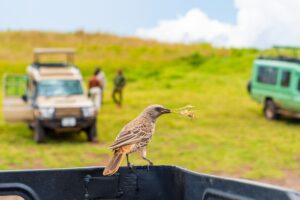
Nairobi National Park is a bird watcher’s paradise. Highlights include:
- Ostriches: The world’s largest birds, often seen striding across open plains
- Secretary Birds: Distinctive crest, impressive snake hunters
- Crowned Cranes: Kenya’s national symbol, often in pairs
- Vultures: Multiple species, essential for ecosystem health
- Kingfishers, Bee-eaters, Sunbirds: Jewel-toned beauties
- Birds of Prey: Martial eagles, augur buzzards, kestrels
Best Bird Watching Season: November to April when migratory species from Europe and Asia join resident populations.
What to Bring: Your Safari Packing Checklist
Essential Items
Camera Equipment
- DSLR or mirrorless camera with telephoto lens (200-400mm ideal)
- Extra batteries (cold mornings drain them faster)
- Multiple memory cards
- Dust protection (plastic bags work)
- Binoculars (8×42 or 10×42 magnification recommended)
Clothing
- Layers are key! Mornings can be chilly (15°C/59°F), but midday warms up
- Neutral colors (khaki, olive, brown)—avoid bright colors and white
- Long sleeves and pants (sun protection and potential insects)
- Warm fleece or jacket for early morning drives
- Hat with brim (essential sun protection)
- Comfortable closed-toe shoes (no flip-flops)
Sun Protection
- High SPF sunscreen (30+)
- Sunglasses with UV protection
- Lip balm with SPF
Practical Items
- Reusable water bottle
- Snacks (especially for morning drives)
- Small backpack or daypack
- Wet wipes/hand sanitizer
- Any personal medications
What NOT to Bring
- Drones (prohibited without special permits)
- Plastic bags (Kenya has banned single-use plastics)
- Strong perfumes/colognes (can disturb wildlife)
- Unnecessary valuables